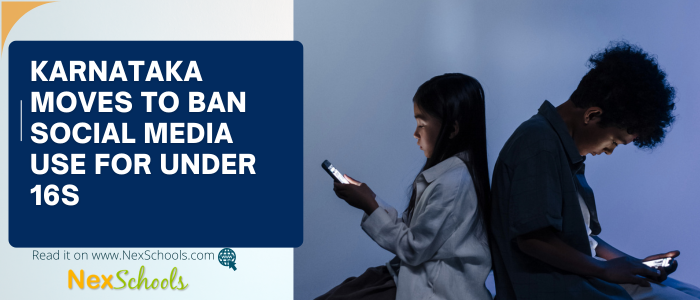
In a significant move aimed at strengthening child online protection, Karnataka has become the first state in India to announce a ban on social media use for children under the age of 16. The decision comes amid growing concerns about the impact of social media on young users’ safety, mental health, and overall digital well-being.
March 6, 2026, Bengaluru: In a major step aimed at protecting children in the digital space, the Karnataka government has announced a ban on social media use for children under the age of 16, citing growing concerns around online safety, mental health, and digital addiction.
The state government is preparing regulatory measures that would restrict minors below 16 from accessing or creating accounts on social media platforms. The move comes amid increasing worries about the impact of excessive social media exposure on young users, including risks of cyberbullying, harmful content, misinformation, and online exploitation.
Officials have indicated that the proposal is part of a broader strategy to strengthen child protection in the digital ecosystem. The government is expected to work with technology platforms to ensure stronger age verification mechanisms and compliance measures.

The announcement has triggered widespread debate among educators, parents, technology experts, and child rights advocates. Many experts believe that while restrictions may help reduce risks, digital literacy and responsible online behaviour education remain equally important.
Child development specialists have also highlighted concerns about the psychological effects of early and excessive social media use, including reduced attention span, sleep disruption, social comparison pressures, and exposure to unsafe online interactions.
Globally, governments are increasingly examining similar policies. Many countries have already implemented minimum age limit for the social media use and others are examining stricter regulations to ensure stronger safeguards for children on digital platforms.
Education experts stress that along with regulatory action, schools and communities must invest in cyber safety awareness, media and information literacy (MIL), and digital well-being education to empower children to navigate the online world safely and responsibly.
As India’s young population becomes increasingly connected, Karnataka’s move may spark a wider national conversation on balancing digital access with the safety and well-being of children.
Source: India Today (March 6, 2026)
Read More
Celebrating Socially Positive Award Winners
Survey for School Leaders and Teachers - Identify Your MIL Strengths and Gaps
The Teacher Who Turned a School in an Urban Slum into a Success Story
Neeru Mittal The Teacher Who Embraced Tech as a Tool for Change
NexSchools Partners with IIT Bombay For Eureka Junior 2025 - Business Plan Competition
Why Parents Are worried and Schools Stay Silent On Influence Culture
No YouTube, No Instagram - Is India Ready to Ban Social Media for Kids
Minimum Age Limits for Social Media Use Worldwide
How Schools Get Involved With Cyber Safety Awareness Week
SCERT Delhi Organizes Training for ICT Teachers to Prepare for an AI-Driven Future
Stay Connected
Just tag us@NexSchools or use hashtag #HSIWEEK2025 #HappierSaferInternet #Socially Positive
Check out our Cyber Warrior Student Ambassadors Work on Social Media Day